





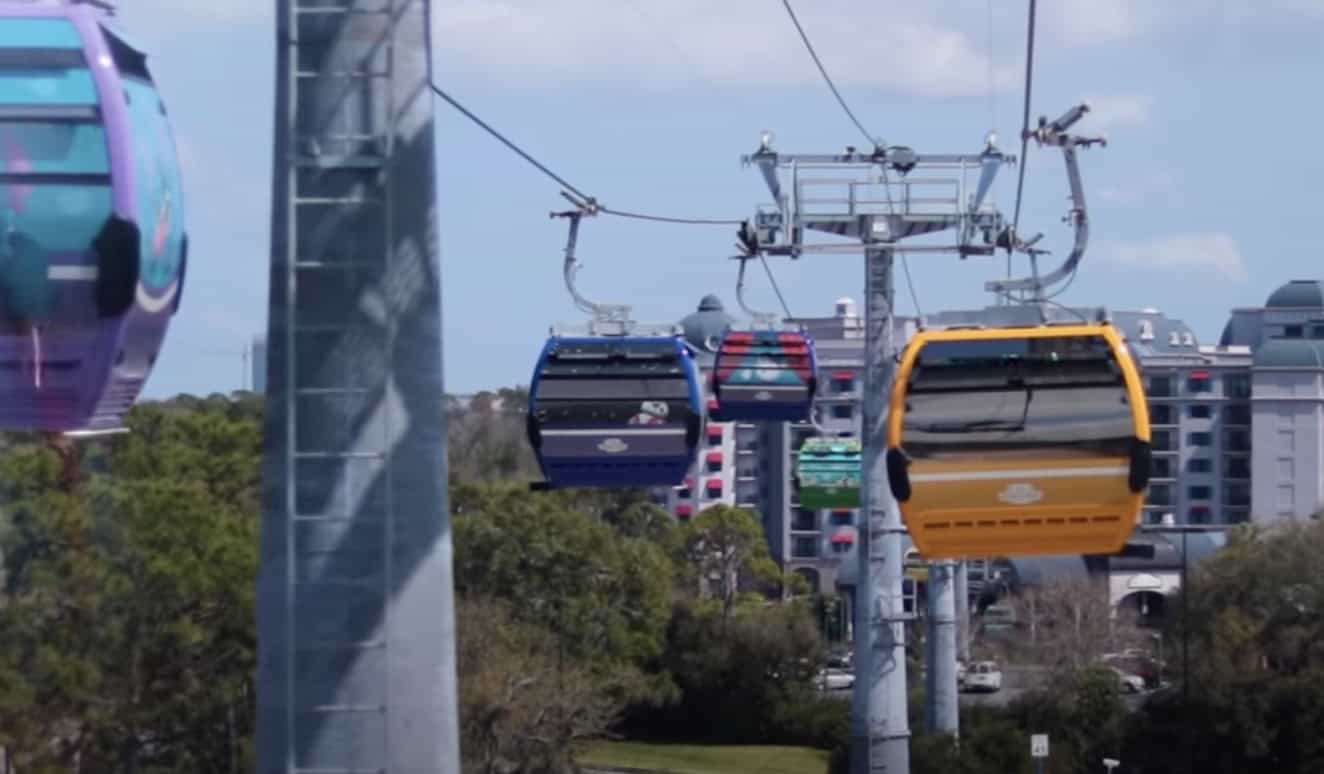
It’s not exactly flying cars but the future of transit on Oshawa’s Simcoe Street may seem nearly as outlandish if the preferred option of the team developing a rapid transit line on the busy corridor ever sees the light of day.
Aerial cable cars. And yes, for those fans of the Simpsons, a monorail was also under consideration but was rejected.
Durham Region and its consultants – including a company developing gondola-style transit systems around the world – are expecting the skepticism after choosing cable cars at about $1 billion as the best option for the future transit line up Oshawa’s main north-south thoroughfare.
“We understand the public is going to be skeptical and council is going to be skeptical. It’s a new technology,” said Durham Region’s David Dunn, who gave an update on the Simcoe Street Transit Study at an Economic and Development Services Committee meeting Monday. “A large part of our plan moving forward will be in educating people so they can make informed decisions and they don’t just see this as a novel approach.”
The aerial cable system, a Bus Rapid Transit line (which is being implemented on Kingston Road from the Scarborough Town Centre to the new Oshawa central GO station), an LRT line and monorails were all in the mix during the initial phase of studies and public consultation. The latter two options – goodbye monorail – were tossed out by the project team, leaving the cable cars and the BRT as the final two being considered.
Dunn believes the cable car system is the way to go, as it moves more passengers – 9.7 million per year vs 8.9 million for the BRT – and is less intrusive to the environment as it doesn’t need any traffic lanes to be ripped out.
Simcoe Street currently handles 13,000 vehicles a day and with traffic expected to nearly double by 2051, removing a traffic lane for the BRT will just lead to more congestion, Dunn added.
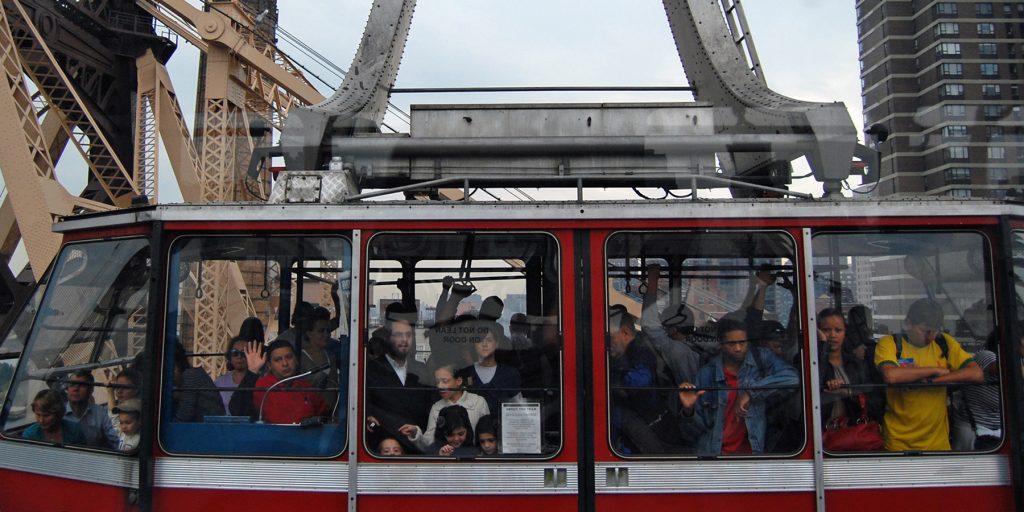
The initial capital costs for the aerial car system are bit higher at $770 million vs $550 million and the total cost to implement cable will run close to $1 billion in today’s dollars, with the BRT coming in at about $700 million.
Revenue from the aerial car concept will be significantly higher, however, with annual revenue estimated at $18.9 million and the added bonus of decreased traffic on the roads. The BRT system would bring in about $14.2 million a year.
The cost to build an LRT on the route is estimated to be about $5 billion. A subway serving Simcoe Street – which wasn’t one of the options – would cost at least $20 billion.
The funding for the project – whichever option is ultimately chosen – will come from the federal and provincial governments, Dunn said. “We don’t expect the (local) taxpayer to bear the cost of this. It’s too much of an investment to make.”
Still, the cost to built out the gondola system had Councillor Jim Lee a little concerned.
“A billion dollars in today’s dollars in a real reach,” he said, noting the system is still ten years away and that number will surely rise.
Lee, who attended one of the public information sessions, said residents at the meeting came away “shaking their heads and saying, ‘this is never going to happen.’”
Councillor Rick Kerr also wasn’t on board with the proposal. “I’m not sure this is the way to go. I think it’s expensive.”
The downtown-to-Dodger Stadium project in Los Angeles
Committee chair Tito-Dante Marimpietri was also doubtful the cable car plan will ever get off the ground and would prefer the region improve the current system by adding buses in high density areas “at a fraction of the cost,” instead of “waiting years” for this project to be built.
“There is healthy skepticism for this, which is normal. But once people see the technology, once they use it and get used to the short, reliable wait times, they become converts very quickly.”
The system would be all elevated, from Lakeview Park to Highway 407, and would have stations along the route. People would access the cable cars – each holding 25 passengers – via stairs or elevators and there would be a new car every 26 seconds during peak times.
The concept, which is popular in Europe and, surprisingly, in Medellin, Columbia and La Paz in Bolivia in South America – where they move half a million passengers a day – is now catching on over here.
“Ten years ago I had no business in North America. Now North America, and Canada in particular, is our busiest territory,” he said. “People in Canada are paying attention.”
Mayor Dan Carter is looking forward to the next series of studies and public consultation on the concept, which will take about two years before the plan arrives back at council for approval and 2031 at the earliest before a shovel hits the ground.
“This technology doesn’t scare me.”
INdurham's Editorial Standards and Policies